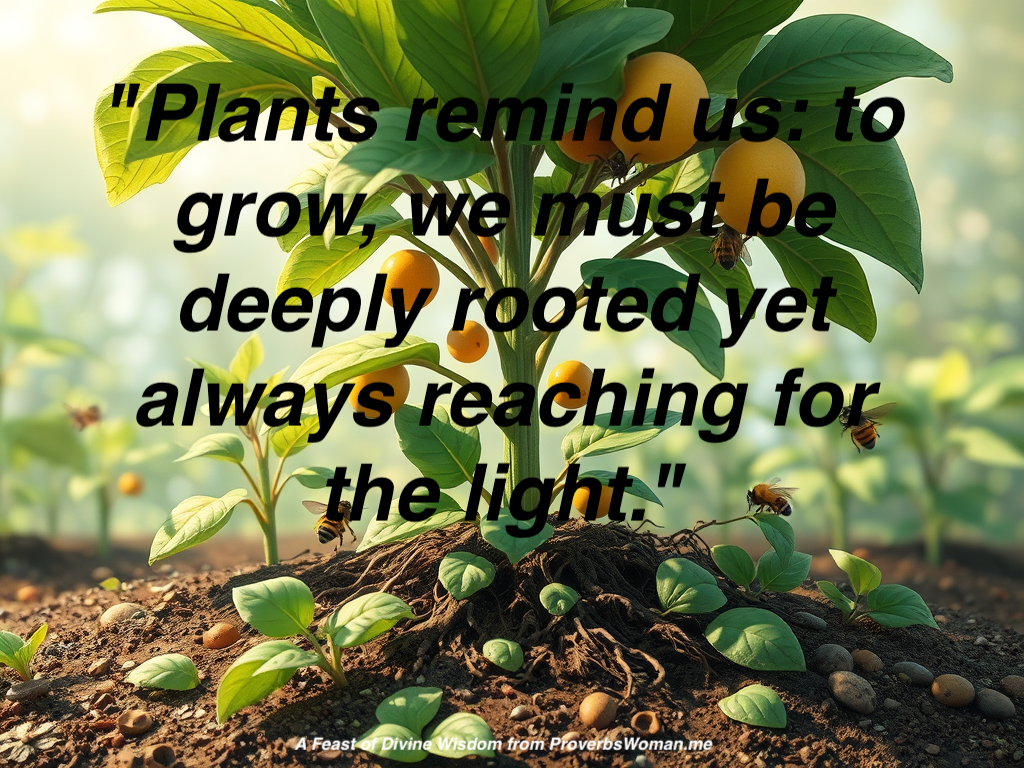
The self-sustaining nature of plants and life cycles is a remarkable testament to the intricate design and balance of the natural world. Plants, as the foundation of nearly all ecosystems, exhibit a unique ability to harness the sun’s energy through photosynthesis, transforming sunlight, water, and carbon dioxide into glucose for growth and oxygen as a vital byproduct. This process sustains not only the plants themselves but also the vast majority of life on Earth, including humans and animals who rely on oxygen for survival.
The life cycles of plants, from seed germination to growth, reproduction, and eventual decay, play a critical role in sustaining ecological systems. Each stage contributes to the interconnected web of life. Germinating seeds lay the groundwork for vegetation that provides food, shelter, and nesting materials for countless animal species. As plants mature and produce fruits and seeds, they perpetuate life by nourishing herbivores and omnivores, which in turn support predators higher in the food chain.
Additionally, the contribution of plants extends beneath the soil. Root systems anchor the earth, preventing erosion, while their presence fosters soil health by creating organic matter and nourishing microorganisms essential for nutrient cycles. Plants also act as natural carbon sinks, capturing and storing atmospheric carbon dioxide, a vital function in combating climate change and stabilizing global temperatures.
The interplay between plants and other organisms highlights the profound interdependence that defines life on Earth. Animals aid in pollination and seed dispersal, ensuring the continuation of plant species, while plants reciprocate by providing essential resources and habitats. This symbiotic relationship creates a dynamic system of checks and balances, promoting biodiversity and ecological harmony.
Ultimately, the self-sustaining cycles of plants serve as a powerful reminder of the delicate, yet resilient, balance that underpins our planet’s ecosystems. They inspire a sense of awe and responsibility, urging us to appreciate, protect, and nurture the intricate processes that make life possible for all beings on Earth.
In nature’s realm, a story is told,
Of cycles of life, both ancient and bold.
The seed takes root in the fertile ground,
Where sunlight and rain in harmony abound.
Through photosynthesis, plants craft their art,
Transforming sunlight into life’s beating heart.
Oxygen flows as a gift so pure,
For creatures of Earth, a breath to endure.
From germination to reaching full height,
A dance of growth bathed in nature’s light.
Branches stretch wide, leaves brush the skies,
Whispering secrets where the wind flies.
Their roots sink deep, embracing the soil,
Creating a home for microbes to toil.
Life below mirrors life above,
In a balance of needs and mutual love.
Fruits and seeds, a feast they share,
For creatures that dwell in the open air.
Pollinators hum in a vibrant chorus,
Ensuring renewal through paths before us.
Forests breathe, their rhythms sustain,
Drawing down carbon, healing the strain.
In their embrace, the Earth finds rest,
As they cradle the future, doing their best.
So let us marvel at this grand design,
The web of life, both fragile and fine.
For in each leaf, each root, and each tree,
Lies a lesson of interconnectivity.







Leave a comment